In this article
Accessories are the quickest way to make familiar clothes feel new. The same navy dress can look ready for the office with a slim watch and stud earrings, or ready for a party with layered gold chains and a statement belt. The art is balance: enough to look intentional, not so much that the outfit disappears. These are the guidelines stylists use.
Key takeaways
- Choose one focal point per outfit and let other accessories support it.
- Layer necklaces in different lengths and weights; two or three is usually enough.
- Mix metals deliberately by repeating each at least twice.
- Match the scale of accessories to the scale of your frame and the outfit.
The one-focal-point rule
Every outfit benefits from a single star. That might be statement earrings, a bold necklace, a printed scarf, a wide belt or striking shoes. Once you have chosen it, keep everything else quieter. If you wear chandelier earrings, skip the chunky necklace; if your scarf is boldly printed, choose simple studs. The original blue chiffon dress post applies the same idea with metallics, pearls or a belt — one at a time.
Layering necklaces
Necklace lengths are usually described in a few standard bands. Layering works when each piece sits at a different level:
| Name | Approx. length | Sits | Works with |
|---|---|---|---|
| Collar / choker | 35–41 cm | Base of the neck | Open necklines, strapless tops |
| Princess | 43–48 cm | Collarbone | Almost every neckline — the most versatile |
| Matinee | 50–60 cm | Top of the bust | Crew necks, business wear |
| Opera | 70–86 cm | Below the bust | High necklines, knitwear, can be doubled |
| Rope | 90 cm+ | Mid-torso or longer | Long knits, dresses, wrapped as a multi-strand |
- Space layers roughly 5 cm apart so they don’t tangle visually.
- Combine weights: a fine chain, a slightly heavier chain and one pendant.
- Mirror the neckline: V-necks love a pendant that forms a “V”; crew necks suit shorter or much longer chains.
- Keep pendants different in shape so they don’t compete.
Mixing metals
The old rule that you must never mix gold and silver has quietly disappeared. Mixed metals look intentional when you:
- Repeat each metal at least twice (a gold ring and gold earrings with a silver bracelet and silver watch).
- Anchor the look with a piece that already combines both, such as a two-tone watch or ring.
- Keep finishes consistent — all polished or all brushed.
Your bag hardware and belt buckle count too. If you’re unsure which metal flatters you most, our colour theory guide includes a simple undertone test.
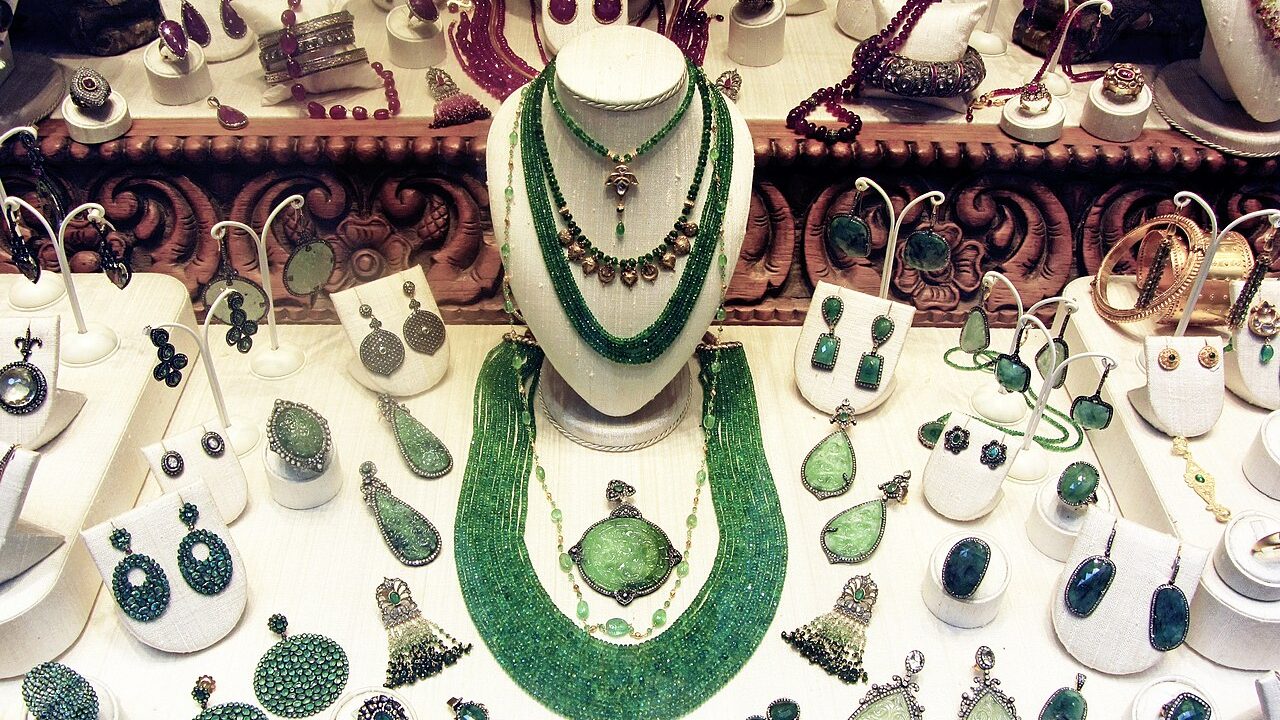
Stacking rings and bracelets
- Vary textures: a smooth bangle, a beaded bracelet and a fine chain.
- Keep the stack on one wrist and a watch on the other for balance — or combine them with a slim watch as the anchor.
- With rings, spread them across both hands and leave space; a statement ring is best on its own finger.
- For work, keep stacks quiet so they don’t clatter on a keyboard or desk.
Scarves, belts and hats
Scarves
A scarf adds colour near the face and is the easiest way to introduce an accent from your palette. Try a small silk square knotted at the neck, a long scarf draped loosely over a coat, or a scarf tied to the handle of your bag.
Belts
A belt defines the waist and changes proportions instantly — over a knit dress, a long cardigan or a loose shirt-dress. Match belts to your shoes or bag for a cohesive look, or use a contrasting belt as your focal point.
Hats
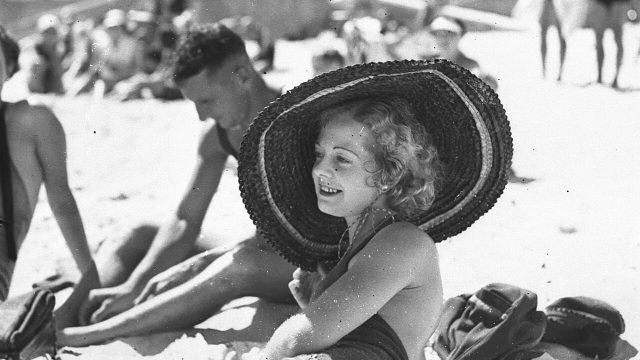
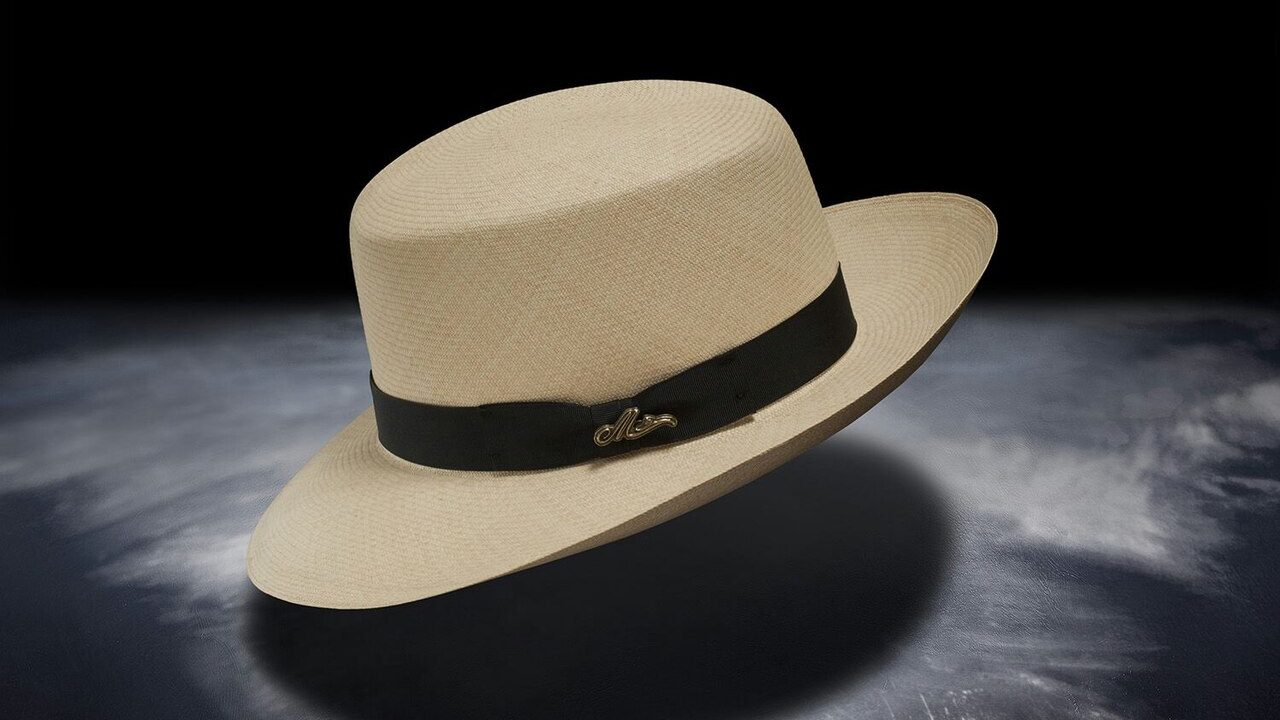
Hats are both practical and stylish. A wide-brim straw hat offers shade in summer (as we noted in the beach checklist), while a wool fedora or beret finishes a winter coat. Keep the rest of the outfit simple when wearing a statement hat.
Scale and proportion
Match the size of accessories to your frame and the visual weight of the outfit. Delicate pieces can get lost with chunky knits; large statement pieces can overwhelm fine fabrics or a petite frame. When in doubt, check your full outfit in a mirror from a distance — that’s how other people will see it.
Sensitive skin and caring for jewellery
- If you react to some jewellery, look for pieces described as nickel-free, or made from materials such as surgical-grade stainless steel, titanium or solid precious metals; check product details carefully, and see a doctor about persistent reactions.
- Put jewellery on last, after perfume, lotion and hairspray.
- Store pieces separately (small pouches or a lined box) to prevent scratching and tangling.
- Remove jewellery before swimming, exercising or cleaning.
Frequently asked questions
Can I mix gold and silver jewellery?
Yes. Mixed metals look intentional when you repeat each metal at least twice or wear a piece that already combines both, such as a two-tone watch or ring.
How many necklaces should I layer?
Two or three is usually the sweet spot. Vary the lengths by a few centimetres and keep at least one piece simple so the layers don’t tangle visually.
Let us pick for you: the Accessory Curation Box includes 3–5 hand-picked pieces and a styling card showing how to wear each one with clothes you already own.