In this article
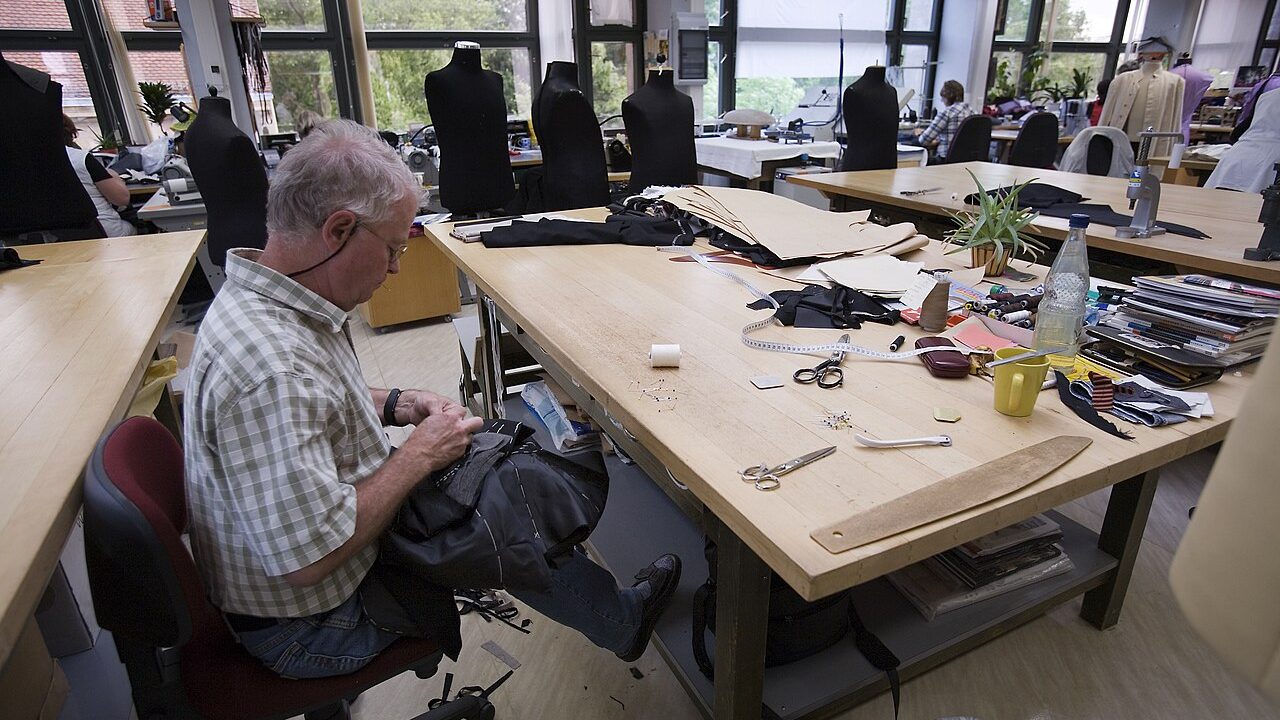
If there is one secret behind people who always look polished, it’s this: their clothes fit. Not “roughly my size” fit, but properly fit — trousers that break cleanly over the shoe, sleeves that show a hint of cuff, a waist that sits where it should. Most off-the-rack clothing is cut for an average body that nobody actually has. A good tailor bridges the gap, often for less than the cost of a new garment.
Key takeaways
- Buy for the hardest-to-alter areas (shoulders and hips) and let a tailor handle the rest.
- Hems, waists, sleeves and tapering are the most worthwhile alterations.
- Avoid paying to alter shoulders, to make garments much bigger, or to rework complex pieces.
- Bring the shoes and underlayers you’ll wear with the garment to your fitting.
Why tailoring changes everything
Fit affects how fabric falls, how long your legs look, how sharp your shoulders appear and how comfortable you feel all day. A moderately priced blazer that is tailored to you will usually look better than an expensive one that isn’t. Tailoring is also one of the most sustainable wardrobe habits: it brings neglected clothes back into rotation and extends the life of pieces you love, which is why we recommend it in our capsule wardrobe and workwear refresh guides.
Alterations worth paying for
| Alteration | Difficulty | Difference it makes |
|---|---|---|
| Hemming trousers, jeans or skirts | Easy | Huge — the most common fix |
| Taking in a waist | Easy–moderate | Stops gaping at the back of trousers and skirts |
| Shortening sleeves (shirts, knits) | Easy–moderate | Instantly sharper; easier on cuffs without buttons or vents |
| Shortening jacket sleeves | Moderate | Polished look; costs more with working buttonholes |
| Tapering trouser legs | Moderate | Modernises wide or dated cuts |
| Taking in a shirt or dress at the sides | Moderate | Removes excess fabric and billowing |
| Adjusting straps | Easy | Dresses and tops sit correctly at the bust |
| Replacing buttons or zips | Easy–moderate | Quality buttons make inexpensive pieces look better |
Prices vary widely by city and garment, so ask for a quote before agreeing to work.
Alterations to think twice about
- Shoulders on jackets and coats. The shoulder is the structural foundation; altering it is complex, costly and often unsuccessful.
- Making something much bigger. Most garments have limited seam allowance; letting out more than a centimetre or two may be impossible.
- Shortening a jacket body significantly. Pocket placement and proportions are usually thrown off.
- Heavily beaded, sequinned or pleated pieces. Doable by specialists but expensive.
- Cheaply made items where the alteration costs more than the garment is worth to you.
Rule of thumb: buy for the shoulders (tops, jackets, coats) and hips (trousers, skirts). Everything else can usually be adjusted.
How to brief a tailor
- Bring the right shoes and underlayers. Trouser length depends on heel height; a jacket fits differently over a shirt than over a knit.
- Explain how you’ll wear it. Daily commuting, cycling, formal events — it affects ease and length.
- Stand naturally while being pinned; don’t hold your breath or stand unusually straight.
- Ask about options (for example, keeping the original hem on jeans).
- Agree on a price and date and ask for a final fitting for important garments.
Buying with tailoring in mind
- Choose fit-critical areas first: shoulders, chest, hips and seat.
- Look for generous seam allowances and hems (visible inside the garment).
- Prefer simple hems without complex finishes if you know you’ll shorten.
- Natural fibres like wool and cotton press and reshape well.
- Second-hand finds are perfect candidates — see our thrifting guide.
Simple fixes you can do yourself
Not every adjustment needs a professional. With a basic sewing kit you can sew on buttons, fix a small seam split, use iron-on hemming tape for a temporary hem, and add a hook-and-eye to stop a wrap top from gaping. For anything structural, go to a tailor — and for everyday care that prevents damage in the first place, see our clothing care guide.
Frequently asked questions
Which alterations are the easiest and most worthwhile?
Hemming trousers and skirts, taking in a waist, shortening sleeves, tapering trouser legs and replacing buttons are usually straightforward and make a big visible difference.
Which alterations should I avoid?
Changing the shoulders of a jacket or coat, making a garment significantly larger, and altering heavily beaded or complex garments are often expensive or impossible to do well.
Not sure what to alter? In a 30-minute Fit & Tailoring Consultation we check up to eight garments on camera and give you written notes to hand straight to your tailor.