In this article
Two shirts can look identical on a hanger and behave completely differently once you wear them. One stays cool and soft for years; the other feels clammy by lunchtime and pills after a few washes. The difference is usually the fabric. Knowing the basics of fibres and weaves is one of the most useful shopping skills you can learn — and it takes less time than you might think.
Key takeaways
- Fibre (what it’s made of) and construction (how it’s woven or knitted) both decide how a fabric performs.
- Natural fibres breathe well; synthetics are durable and quick-drying; blends aim to combine both.
- Density, recovery and finishing matter more than price tags when judging quality.
- Always read the care label — it tells you the fibre content and how much effort the garment needs.
The three families of fibres
Textile fibres fall into three broad groups:
- Natural fibres come from plants (cotton, linen, hemp) or animals (wool, cashmere, silk, alpaca).
- Regenerated (semi-synthetic) fibres are made by dissolving natural cellulose — usually wood pulp — and re-forming it into fibres. Viscose (rayon), modal and lyocell belong here.
- Synthetic fibres are made from petrochemicals: polyester, nylon (polyamide), acrylic and elastane (also sold as spandex or Lycra).
Fibre-by-fibre comparison
| Fibre | Feel & comfort | Strengths | Watch out for | Best for |
|---|---|---|---|---|
| Cotton | Soft, breathable | Easy care, absorbent, versatile | Creases, can shrink, slow to dry | Shirts, T-shirts, denim, chinos |
| Linen | Crisp, cool, textured | Very breathable, strong, gets softer with washing | Creases easily | Summer shirts, trousers, dresses |
| Wool | Warm, springy | Regulates temperature, resists odours and wrinkles | Can felt if washed hot; moths | Coats, suits, knitwear |
| Merino | Fine, soft, non-itchy for most | Light, warm, ideal for layering | Delicate; needs gentle washing | Base layers, fine knits |
| Silk | Smooth, lustrous | Light, warm for its weight, elegant drape | Water marks, sun fading, delicate | Blouses, scarves, occasion wear |
| Viscose / rayon | Soft, fluid drape | Affordable, dyes beautifully | Weak when wet, may shrink | Dresses, blouses, linings |
| Lyocell / modal | Silky, smooth | Stronger than viscose, breathable | Can pill with friction | T-shirts, dresses, underwear |
| Polyester | Varies widely | Durable, holds shape, quick-drying | Less breathable, can hold odours, static | Outerwear, sportswear, blends |
| Nylon | Smooth, strong | Very hard-wearing, light | Not breathable | Hosiery, outerwear, bags |
| Elastane | Stretchy | Adds comfort and recovery | Degrades with heat | Small % in jeans, leggings, knits |
For activewear in particular, elastane blends make the difference between leggings that sag and leggings that keep their shape — the point made in our earlier post on finding leggings that last.
Weaves and knits: why construction matters
The same fibre can feel completely different depending on how it is made into fabric.
- Plain weave (poplin, chambray, linen): crisp, simple and breathable.
- Twill (denim, chino, gabardine): diagonal lines, strong and drapes well; hides marks.
- Satin weave: smooth and shiny on one side; elegant but more prone to snagging.
- Jersey knit: stretchy and soft — the T-shirt fabric.
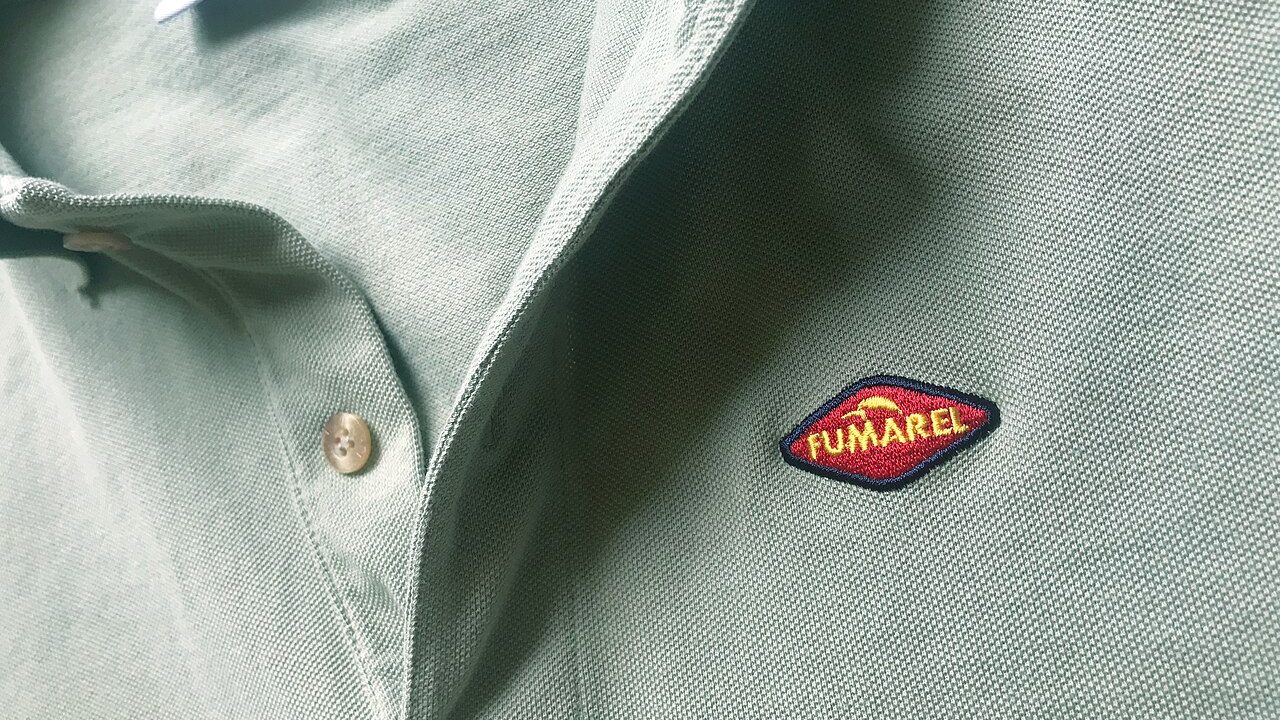
- Piqué knit: textured and airy — the polo-shirt fabric.
- Rib knit: stretchy with good recovery — cuffs, fitted tops, knit dresses.
Are blends good or bad?
Blends get a bad reputation, but many are designed for good reasons. A small amount of elastane (2–5%) in jeans or trousers improves comfort and shape retention. Polyester blended with cotton reduces creasing and speeds drying. Wool blended with a little nylon is more durable in socks and knitwear.
The trade-offs: blends can be harder to recycle, and a cheap blend can combine the weaknesses of both fibres (for example, pilling and poor breathability). Judge each garment on its own merits using the checks below.
Six quick quality checks in the shop
- Hold it up to the light. Denser fabrics generally wear longer than see-through ones (unless sheerness is intentional, as with chiffon).
- Scrunch test. Crumple a section in your fist for five seconds. Deep creases mean you will be ironing often.
- Stretch and recovery. Gently pull knit fabric and let go. It should spring back, not stay stretched.
- Check the seams. Small, even stitches; no pulling; pattern matched at seams on better garments.
- Look inside. Finished seam allowances, secure buttons and generous hems are signs of care in production.
- Read the label. Fibre content and care instructions tell you how the garment will live in your wardrobe.
Shopping online? Look for the fibre composition and fabric weight (often in g/m² or GSM) in the product details. If they are missing, ask customer service — reputable retailers will tell you.
Matching fabric to purpose
- Hot weather: linen, lightweight cotton, lyocell; loose cuts. See our beach checklist.
- Cold weather: wool and wool blends for outer layers, merino close to the skin.
- Sport: moisture-wicking synthetics and blends; avoid heavy cotton, which stays wet.
- Work: wool or wool-blend tailoring, cotton or silk-feel shirts, fine knits.
- Travel: crease-resistant knits, merino, and blends that dry overnight.
Care follows fibre
Every fibre has its own care needs, and following them is the easiest way to make clothes last. Wool prefers airing and gentle cold washes; silk needs protecting from heat and sun; synthetics dislike high heat; cotton tolerates more but shrinks in hot dryers. Our full guide to washing, drying and storing clothes goes through each step.
Frequently asked questions
Which fabric is best for hot weather?
Linen and lightweight cotton are generally the most comfortable in heat because they breathe well and dry relatively quickly. Loose weaves and relaxed fits help even more.
Is polyester always lower quality?
No. Polyester is durable, holds its shape and dries quickly, which is why it is used in performance and outdoor clothing. It is less breathable than natural fibres and can hold odours, so it suits some garments better than others.
How can I tell if a fabric is good quality in a shop?
Hold it up to the light to check density, scrunch it to test for creasing and recovery, look at seams and hems for even stitching, and read the care label for the fibre content.