In this article
This blog began with an uncomfortable realisation: my work wardrobe looked dated, and it was quietly affecting how I was seen at the office. Clothes don’t earn promotions — skills and results do — but what we wear shapes first impressions and, just as importantly, how confident we feel walking into a meeting. The good news is that a workwear refresh is less about spending and more about editing, fit and a handful of smart updates.
Key takeaways
- Dress for the role and the room: match the most polished people in the meetings you attend.
- Fit is the fastest upgrade — tailoring a few pieces beats buying many new ones.
- Modernise silhouettes, shoes and bags first; they date an outfit more than colour.
- A five-day rotation built on outfit formulas removes daily decision fatigue.
Signs your work wardrobe looks dated
A wardrobe rarely becomes dated overnight. It happens slowly, as cuts, fabrics and details shift while our favourite pieces stay the same. Watch for these signals:
- Silhouettes: very skinny or very boot-cut trousers, cropped blazers with wide padded shoulders, overly long or baggy tops.
- Worn fabrics: pilling knits, shiny seats on trousers, faded black, collars that have lost their shape.
- Shoes and bags: scuffed heels, chunky square toes from a decade ago, a bag with broken corners.
- Fit: sleeves covering knuckles, gaping buttons, trousers bunching at the ankle.
None of these require a new wardrobe. Most require repair, replacement of a few key items or a visit to a tailor.
Decode your workplace dress code
Dress codes are often unwritten. The most reliable method is observation: note what people one or two levels above you wear on ordinary days and on important days. Then aim for the polished end of what is normal.
| Dress code | Typical pieces | Avoid |
|---|---|---|
| Business formal | Matching suit, shirt or blouse, leather shoes, minimal jewellery | Casual knits, trainers, bold prints |
| Business casual | Tailored trousers or skirts, chinos, shirts, fine knits, blazer | Sportswear, distressed denim, flip-flops |
| Smart casual | Dark jeans, polo or knit, clean leather trainers or loafers, unstructured jacket | Logos, gym wear, very worn items |
| Creative / casual | Personal style within reason; good fit and condition still matter | Anything stained, torn or too revealing |
Video-call rule: on camera, people only see your top half. A well-fitting shirt, knit or blazer in a solid mid-tone (not stark white or busy prints) looks sharp on most webcams.
Fix fit before you buy anything
A modest garment that fits perfectly looks more expensive than a designer piece that doesn’t. Before shopping, try on every work item and check:
- Shoulders: the seam should sit at the edge of your shoulder bone.
- Sleeves: shirts end at the wrist bone; jacket sleeves show a little shirt cuff.
- Buttons: no pulling or gaping across the chest.
- Trousers: a clean line from hip to hem with at most a slight break over the shoe.
- Skirts and dresses: you can sit, walk and climb stairs without adjusting.
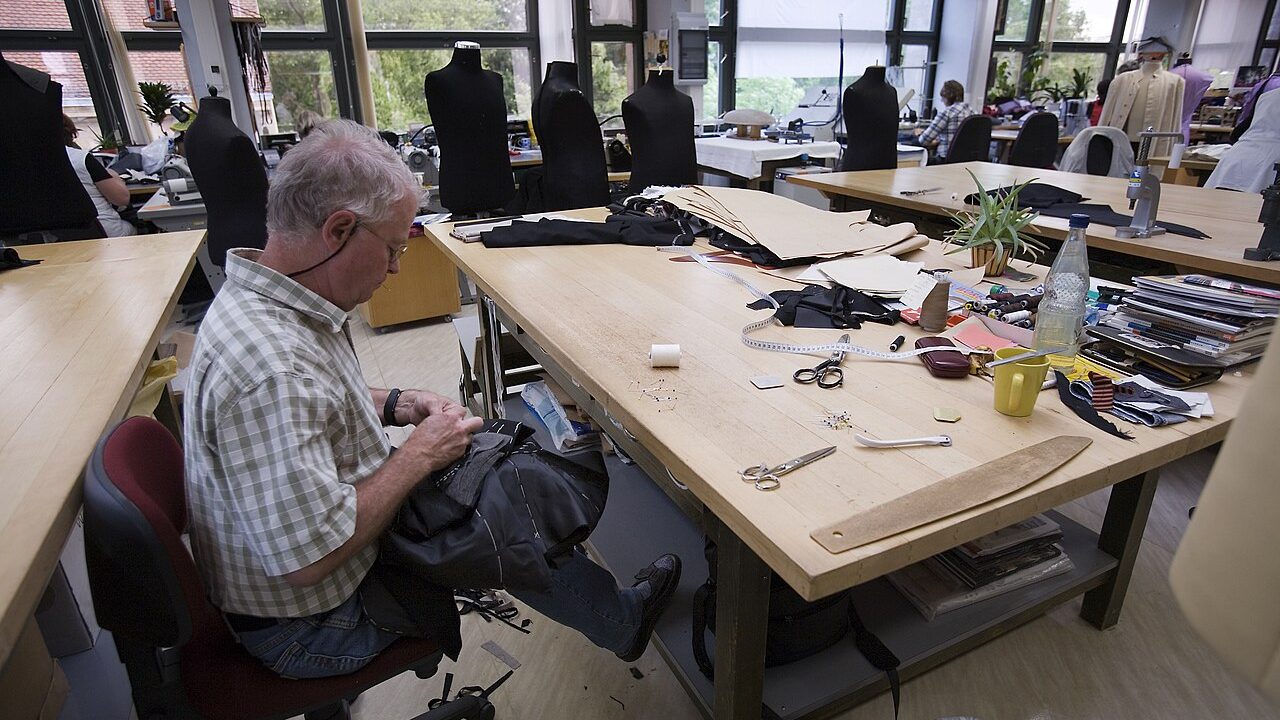
Hemming, taking in a waist and shortening sleeves are usually affordable. Our Tailoring 101 guide explains which alterations are worth paying for.
The seven pieces that modernise a work wardrobe fastest
- A well-cut blazer in navy, charcoal or camel — the single most useful work layer.
- Straight or wide-leg tailored trousers that skim rather than cling.
- Two crisp shirts or blouses in white, pale blue or ivory.
- Fine-gauge knitwear (merino or cotton) to wear alone or under a blazer.
- A versatile dress or co-ord that works with a jacket for meetings.
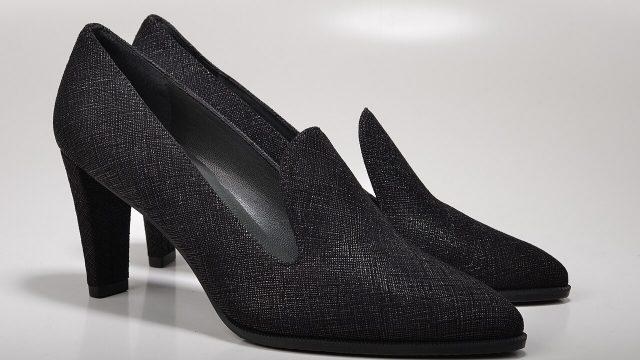
- Comfortable, current shoes — loafers, low block heels or minimalist leather trainers where allowed. See our work shoe guide.
- A structured everyday bag that fits your laptop or documents. Our handbag guide covers what to look for.
Build a five-day outfit rotation
Decision fatigue is real. A simple rotation means you think about clothes once a week, not every morning. Here is an example built from around fifteen pieces:
| Day | Outfit formula |
|---|---|
| Monday | Navy trousers + white shirt + camel blazer + loafers |
| Tuesday | Knit dress + belt + black ankle boots + scarf |
| Wednesday | Charcoal trousers + merino crew neck + structured bag + low heels |
| Thursday (big meeting) | Matching blazer and trousers + silk-feel blouse + polished shoes |
| Friday | Dark jeans + crisp shirt + cardigan + leather trainers |
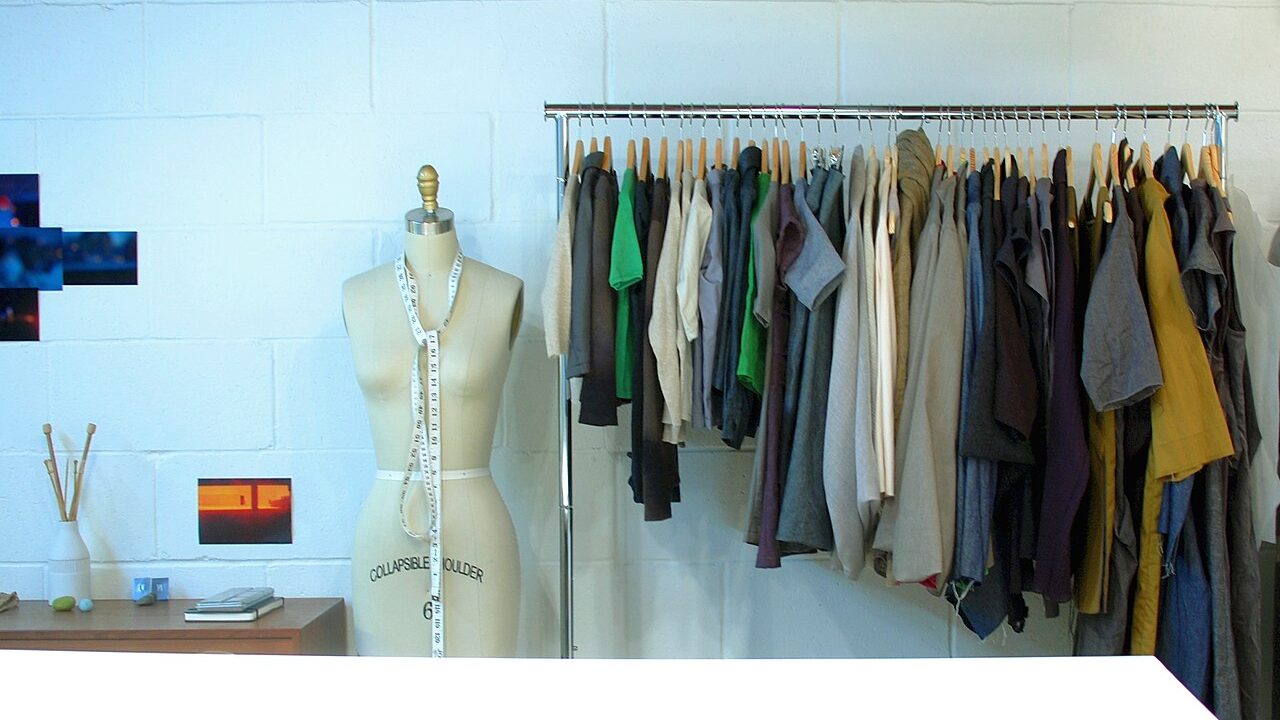
Swap colours and tops each week and you have a month of outfits without repeats. The capsule wardrobe method takes this idea further.
Details that signal “ready for more responsibility”
- Condition: lint-free, pressed, no loose threads, polished shoes. Keep a lint roller and a small sewing kit at your desk.
- Restraint: one focal point per outfit — a statement necklace or a bold print, not both.
- Consistency: people notice when you look reliably put-together, not when you dress up once.
- Grooming: tidy hair and nails matter as much as clothing.
Refreshing on a budget
Spend where it shows and where wear is heaviest: shoes, trousers, outerwear and bags. Save on T-shirts, camisoles and trend pieces. Look for quality basics second-hand — work blazers and wool trousers are often available in excellent condition (our thrifting guide explains how to check). And look after what you buy: proper washing and storage keeps work clothes looking new for years.
Frequently asked questions
What does business casual mean today?
In most workplaces business casual means tailored trousers, chinos or dark jeans paired with shirts, blouses or fine knits, often with a blazer for meetings. Suits and ties are optional, while sportswear and very casual items are not.
How can I look more senior at work?
Focus on fit, a restrained colour palette, good shoes and structured layers such as a blazer or tailored jacket. Polished grooming and well-maintained clothes matter more than labels.
Need an outside eye? A Personal Styling Session gives you a tailored work-wardrobe plan in one hour, and the Fit & Tailoring Consultation tells you exactly what to alter.